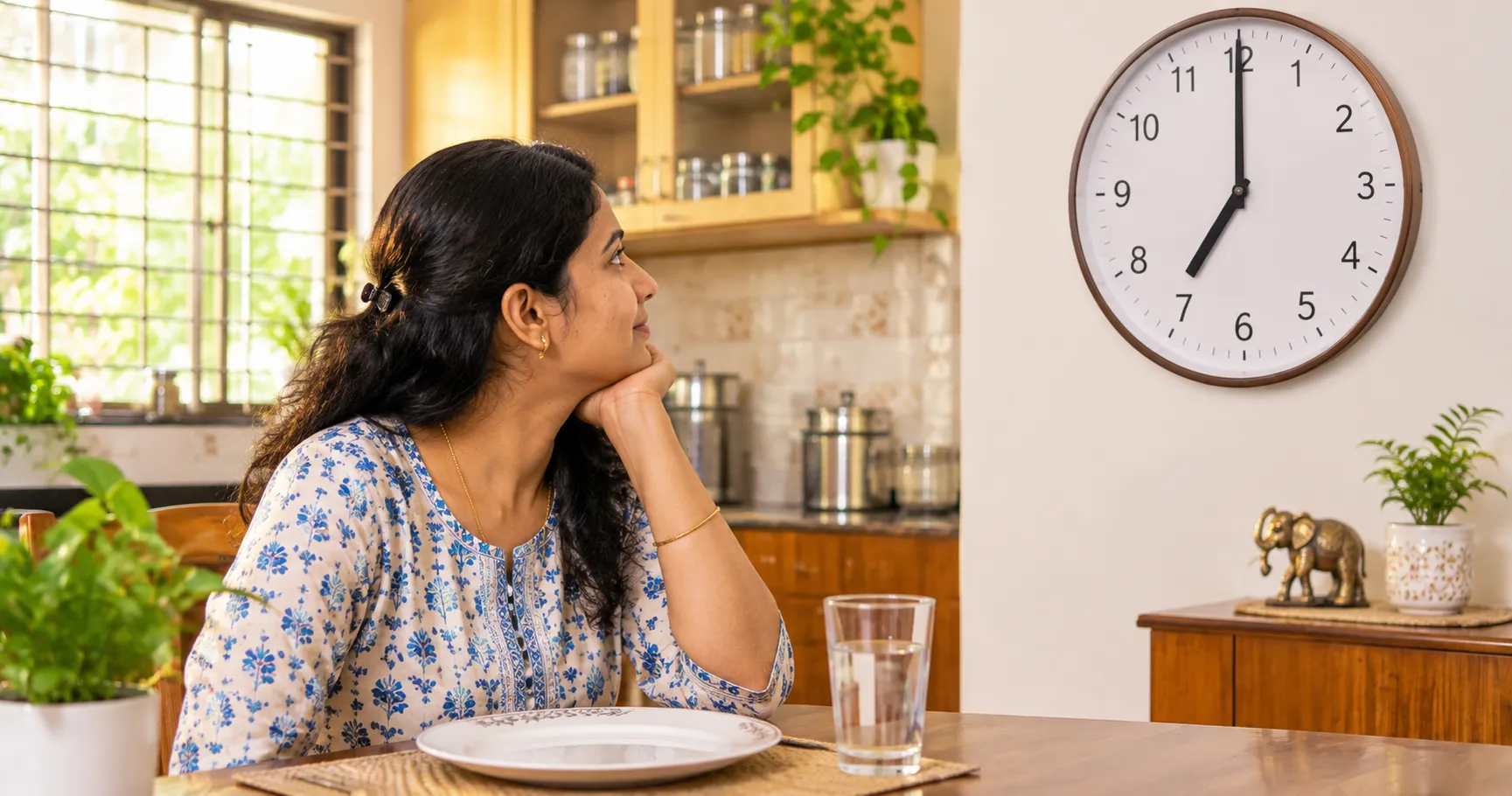
Your doctor has asked for a fasting blood test, and you are wondering - what exactly can I eat or drink? How many hours do I need to fast? Will it affect my results if I have a sip of tea?
Fasting before certain blood tests is essential for accurate results. When you eat, your body breaks food into glucose, fats, and other components that enter your bloodstream. These temporary spikes can interfere with test measurements, especially for blood sugar and cholesterol. Here is everything you need to know.
Which Tests Require Fasting?
Not all blood tests need fasting. Here are the common ones that do:
- Fasting Blood Sugar (FBS) - measures baseline glucose levels. Eating before this test will give a falsely high reading.
- Lipid Profile - measures total cholesterol, HDL, LDL, VLDL, and triglycerides. Food can spike triglyceride levels significantly.
- Kidney Function Test - some components like blood urea are affected by recent protein intake.
- Liver Function Test - certain liver enzymes can fluctuate after meals.
Tests that generally do not require fasting include Complete Blood Count (CBC), Thyroid Profile, Vitamin D, Vitamin B12, and HbA1c. However, if your doctor has asked you to fast for any test, follow their advice.
How Long Should You Fast?
The standard fasting window is 8 to 12 hours before the blood sample is collected. Here is a practical breakdown:
- Fasting Blood Sugar: 8 hours minimum
- Lipid Profile: 10 to 12 hours for most accurate triglyceride measurement
- General health screening: 10 to 12 hours covers all fasting tests
This is one of the biggest advantages of home blood collection - you can book a 7 AM slot and give your sample before breakfast, without spending time travelling to a lab on an empty stomach.
What You Can and Cannot Have While Fasting
Allowed
- Plain water - yes, and you should drink it. Staying hydrated makes the blood draw easier and faster.
- Prescribed medicines - continue taking them with a small sip of water, unless your doctor specifically says to skip a dose.
Not Allowed
- Tea or coffee - even black tea or black coffee can affect blood sugar and liver enzyme readings. Avoid them.
- Juice, milk, or soft drinks - these contain sugar and calories that break the fast.
- Chewing gum or mints - these contain sugar or sugar substitutes that can affect glucose levels.
- Smoking - nicotine can temporarily raise blood sugar and affect certain hormone levels.
- Alcohol - avoid for at least 24 hours before the test, as it affects liver enzyme and triglyceride readings.
7 Tips for a Comfortable Fasting Blood Test at Home
- Book a morning slot. Schedule your home collection for 7-8 AM so you don't spend the whole morning hungry.
- Eat a balanced dinner the night before. Include protein and complex carbohydrates - avoid heavy, oily food.
- Drink water before bed and when you wake up. Dehydration makes veins harder to find.
- Get enough sleep. Poor sleep can affect cortisol and blood sugar levels.
- Avoid heavy exercise the evening before. Intense workouts can affect creatinine and certain enzyme levels.
- Wear a short-sleeved or loose-sleeved shirt. This gives the phlebotomist easy access to your arm.
- Keep breakfast ready. Since sample collection happens at home, you can eat immediately after the blood draw - no travel time on an empty stomach.
What Happens During a Home Blood Collection?
When you book a home blood test with Blood Test at Door in Bhubaneswar, here is what to expect:
- Our trained phlebotomist arrives at your chosen time slot with sterile, single-use equipment.
- They verify your identity and the tests ordered.
- The blood draw takes about 2-3 minutes - quick and minimally uncomfortable.
- Samples are placed in barcoded tubes and transported in temperature-controlled kits to our NABL-accredited partner labs.
- Reports are delivered digitally via WhatsApp and email within 24-48 hours.
The entire home visit takes about 10-15 minutes. You can eat breakfast right after and go about your day normally.
If you are planning a full body checkup, most of the tests in our Swasthyam packages require fasting - so booking a morning slot is always the best approach.